Author: Justine Philip (Justine Philip)

Home / Justine Philip
Thirty Twenty Gallery Melbourne

Thirty Twenty Gallery Melbourne

Agricultural historian & printmaker Justine Philip explores the lack of visual culture surrounding our primary food production systems, and examines the lives of animals caught up within these landscapes – from pest species and livestock to the endangered and extinct. Photomontage screenprints on paper.
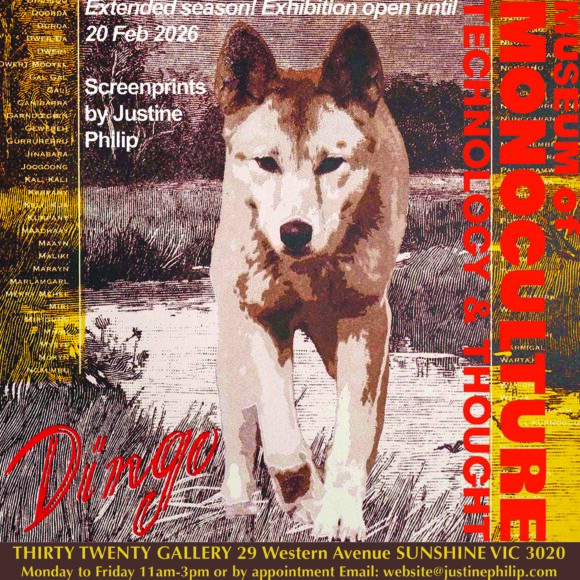
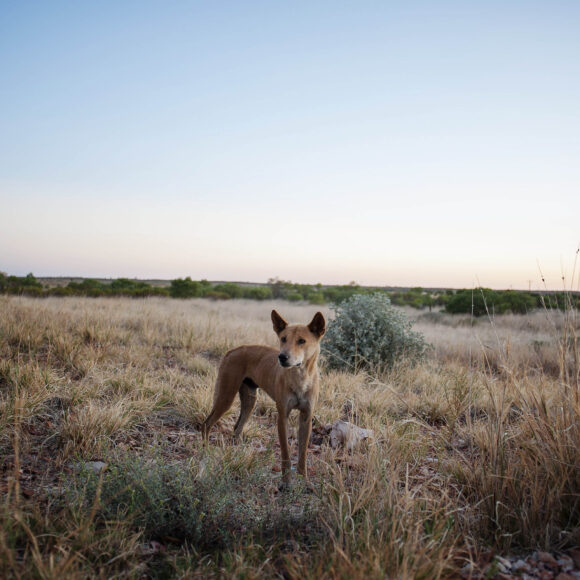
Air-dropping poisoned meat to kill bush predators hasn’t worked in the past, and it’s unlikely to help now

Air-dropping poisoned meat to kill bush predators hasn’t worked in the past, and it’s unlikely to help now

Justine M. Philip, Museums Victoria Research Institute After the summer’s devastating bushfires, the New South Wales government announced a plan to airdrop one million poisoned baits in the state’s most vulnerable regions over the next year. The plan is aimed at protecting surviving native animals from foxes, feral cats and wild dogs. This isn’t the...

March 13, 2020January 27, 2026
The Waterfinders – Australian Zoologist

The Waterfinders – Australian Zoologist

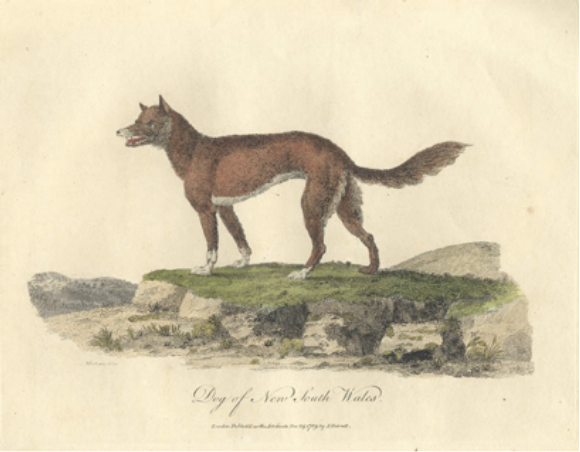
For thousands of years, the water-finding abilities of the Australian dingo (Canis dingo), has assisted human survival in one of the most extreme, arid environments on earth. In addition to their contribution to Traditional Aboriginal society as a guardian, living blanket, hunting assistant and companion, the dingo’s role as intermediary between the earth’s surface and...

How Australia made poisoning animals normal

How Australia made poisoning animals normal

Justine M. Philip, University of New England One of the many difficulties faced by the pioneers of Australia’s sheep industry was finding a reliable shepherd. Among the convict labour available, for every two experienced farm labourers there were five convicted sheep, horse, cattle or poultry thieves. The conditions were demanding. Convicts returning from pasture with...

February 19, 2019February 4, 2026
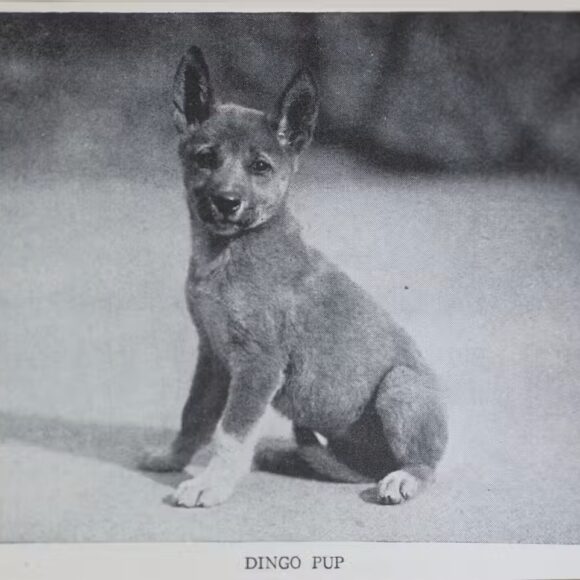
Living blanket, water diviner, wild pet: a cultural history of the dingo

Living blanket, water diviner, wild pet: a cultural history of the dingo

Justine M. Philip, University of New England In traditional Aboriginal society, women travelled with canine companions draped around their waists like garments of clothing. Dingoes played an important role in the protection and mobility of the women and children, and are believed to have greatly extended women’s contribution to the traditional economy and food supply....

August 7, 2017January 29, 2026
International Travels of the Australian Canis Dingo: Part II

International Travels of the Australian Canis Dingo: Part II

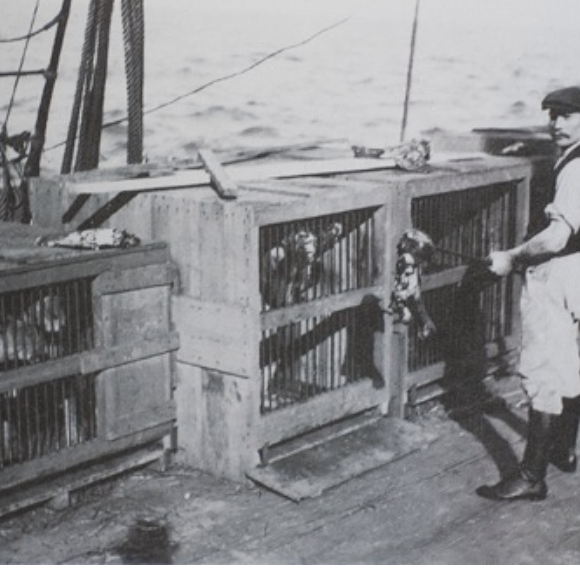
The cultural history of the Australian dingo and the species’ connection to the National Zoo. June 15, 2017, by Justine Philip, Institutional History Predoctoral Fellow This is the second in a two-part series on the international travels of the Australian Canis dingo and the Smithsonian National Zoological Park. For more information, check out Part I. Read the...

June 15, 2017February 4, 2026
International Travels of the Australian Canis Dingo: Part I

International Travels of the Australian Canis Dingo: Part I

The cultural history of the Australian dingo and the species’ connection to the National Zoo. June 13, 2017, by Justine Philip, Institutional History Predoctoral Fellow This is the first in a two-part series on the international travels of the Australian Canis dingo and the Smithsonian National Zoological Park. Check back on Thursday, June 15th for Part...

June 13, 2017February 3, 2026